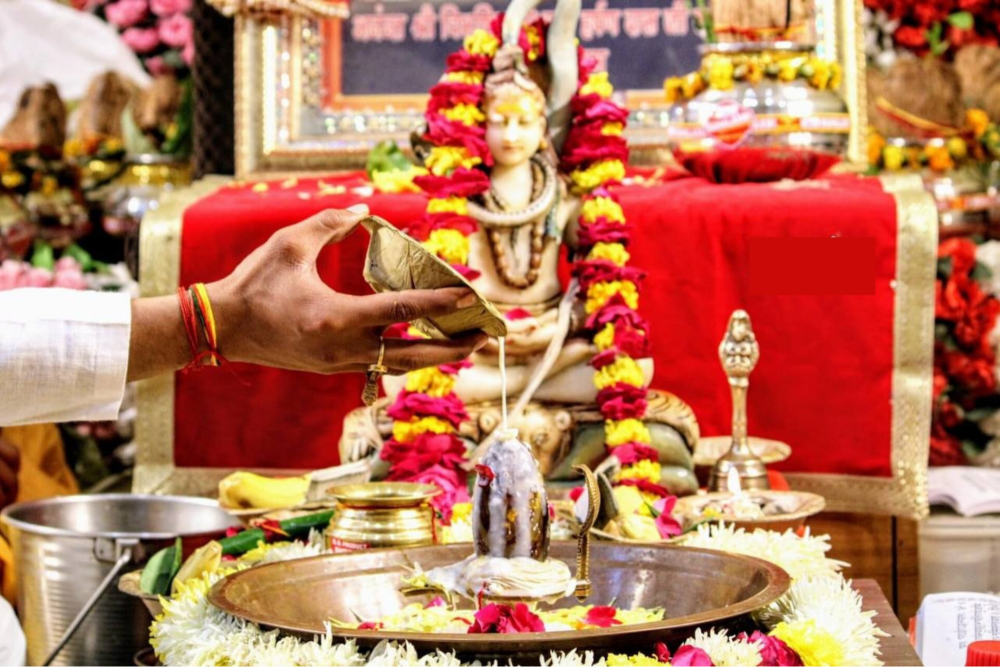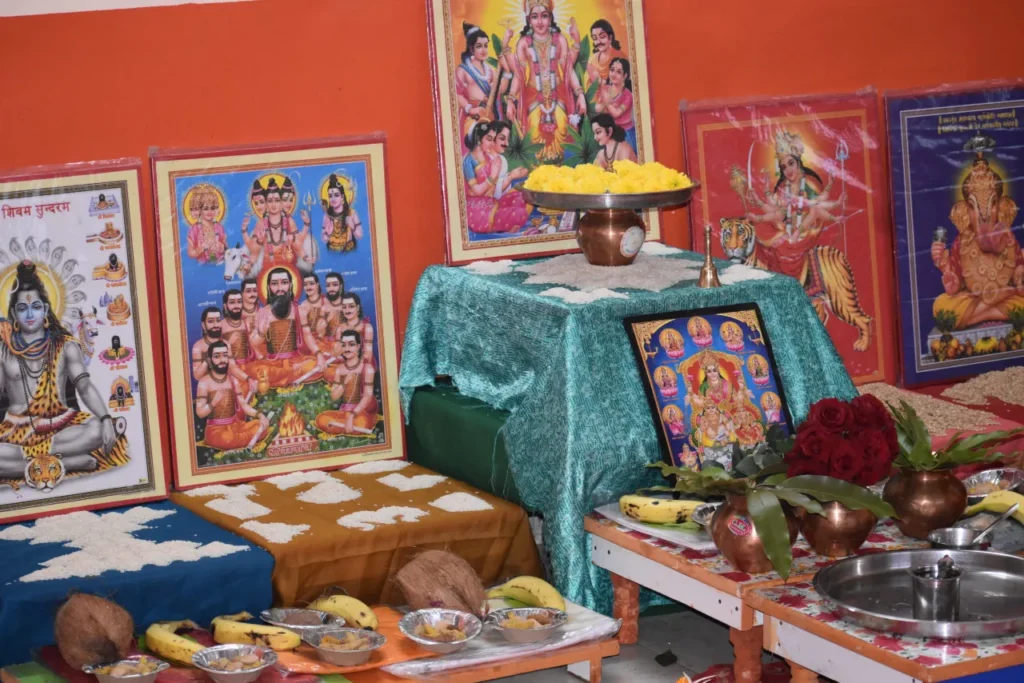
Pitru Dosh Puja is performed to remove Pitru Dosh (ancestral affliction) caused due to dissatisfied or unsatisfied ancestors. This dosh can arise because of improper Shraddha rituals, unnatural death, unfulfilled desires of ancestors, or ancestral karmic debts. Pitru Dosh often results in repeated obstacles, delays, family disputes, health issues, financial losses, and lack of peace in life.
To eliminate Pitru Dosh, Narayan Nagbali Puja and Tripindi Shraddha Vidhi are considered the most effective Vedic remedies.
Best Time to Perform Pitru Dosh Puja
Performing Pitru Dosh Puja during Pitru Paksha (पितृ पक्ष) is regarded as highly auspicious and spiritually powerful.
Pitru Paksha Period: 5th to 19th September
Pitru Paksha begins immediately after the Ganesh Festival
It ends on Sarvapitri Amavasya (New Moon Day)
During this sacred period, Hindus perform Shraddha, Tarpan, and Pitru Dosh Nivaran rituals to seek blessings from ancestors and help their souls attain peace and higher spiritual realms.
Spiritual Belief Behind Pitru Paksha
According to Hindu scriptures, the souls of the three previous generations of ancestors reside in Pitru-loka, a realm situated between heaven and earth, ruled by Yama, the god of death.
When a person dies, the soul is guided to Pitru-loka
When a member of the next generation passes away, the oldest generation ascends to heaven and merges with the divine
Therefore, Shraddha rites are offered only to the three generations residing in Pitru-loka
Yama plays a vital role in delivering Shraddha offerings to the ancestors and ensuring their spiritual progress.
Astrological Significance of Pitru Dosh Puja
As per Hindu epics:
Pitru Paksha begins when the Sun enters Libra (Tula Rashi)
At this time, ancestral souls are believed to descend from Pitru-loka and stay with their descendants
They remain until the Sun enters Scorpio (Vrishchika Rashi) and the lunar cycle completes
This phase is known as the Krishna Paksha (dark fortnight), during which performing Pitru Dosh Puja gives maximum spiritual benefit.
Why Perform Pitru Dosh Puja?
Pitru Dosh Puja is recommended if you are facing:
Repeated failures or stagnation in life
Financial instability or continuous losses
Delays in marriage or childbirth
Health problems running in the family
Frequent conflicts or lack of harmony at home
Career blocks and educational hurdles
By performing Pitru Dosh Puja, ancestral souls attain peace and blessings, resulting in prosperity, stability, good health, and harmony for the family.
Where is Pitru Dosh Puja Performed?
Pitru Dosh Puja through Narayan Nagbali or Tripindi Shraddha Vidhi is traditionally performed only at
Trimbakeshwar Temple,
under the guidance of experienced Vedic pandits, following strict scriptural procedures.

BENEFITS OF PERFORM PITRA SHANTI PUJA
Pitru Dosh Puja is performed to pacify dissatisfied ancestors and remove ancestral karmic blockages. When Pitru Dosh is resolved, ancestral blessings begin to flow, bringing stability, peace, and progress in life.
Removes Pitru Dosh and ancestral curses from the horoscope
-
Helps ancestors attain peace, satisfaction, and higher spiritual realms
-
Eliminates repeated failures, obstacles, and stagnation in life
-
Improves financial stability, reduces unnecessary expenses and losses
-
Brings progress in career, business, and professional growth
-
Resolves delays and obstacles in marriage
-
Helps overcome childbirth-related issues and family lineage problems
-
Improves health issues caused due to ancestral karma
-
Restores peace, harmony, and emotional balance in the family
-
Reduces frequent conflicts, misunderstandings, and mental stress
-
Enhances luck, prosperity, and overall well-being
-
Protects the family from negative energies and unseen obstacles
-
Strengthens blessings from ancestors for future generations
Clears karmic debts linked to ancestors
-
Improves the spiritual connection between ancestors and descendants
-
Helps break the cycle of suffering passed through generations
-
Brings long-term stability, protection, and divine grace
PITRA DOSH PUJA DATES & MUHURAT 2026
- January 2026: 2, 5, 8, 11, 16, 20, 26, 29
- February 2026: 1, 4, 7, 10, 13, 16
- March 2026: 1, 5, 8, 11, 15, 21, 25, 28, 31
- April 2026: 3, 6, 9, 12, 17, 20, 24, 27, 30
- May 2026: 3, 6, 9, 15
- June 2026: 15, 18, 22, 25, 28
- July 2026: 2, 9, 12, 15, 18, 21, 24, 27, 30
- August 2026: 5, 8, 11, 14, 18, 21, 26
- September 2026: 1, 4, 8, 12, 20, 22, 28
- October 2026: 1, 5, 8, 26, 29
- November 2026: 1, 4, 13, 16, 22, 26, 29
- December 2026: 3, 6, 10, 13, 20, 23, 26, 29